John Locksmiths Service Team
Local locksmith team
May 14, 2026 10 min read
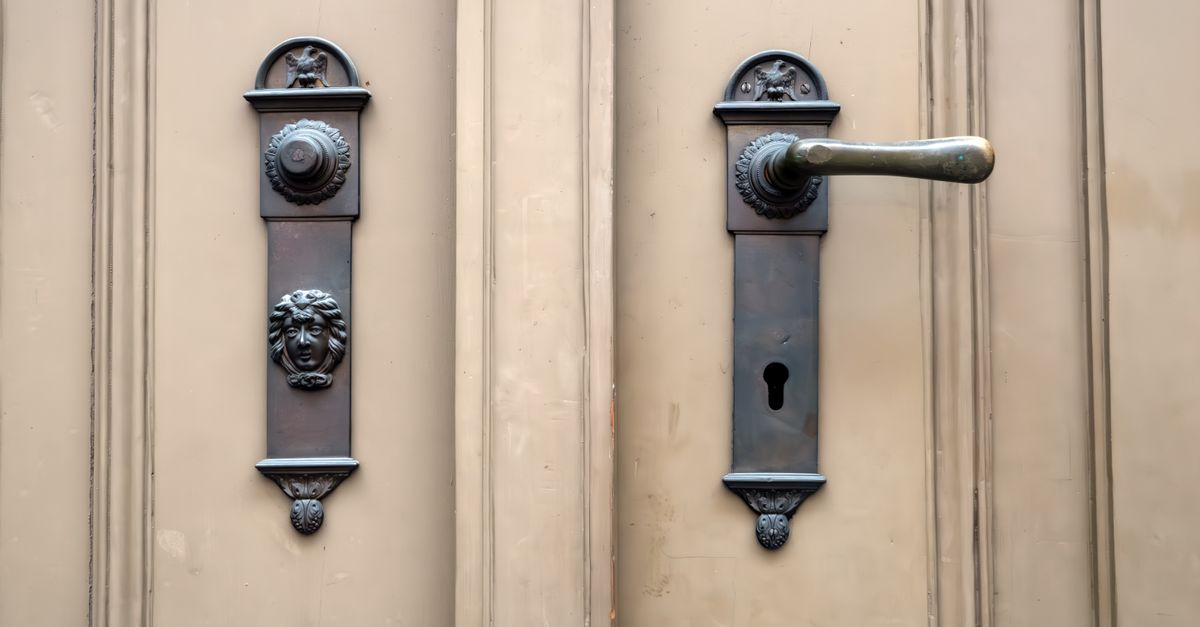
If your front door has started fighting back — stiff to turn, slow to retract, occasionally refusing to latch altogether — you're probably dealing with a mortise lock that's telling you something. These heavy-duty mechanisms have been the gold standard for exterior doors on older homes, historic properties, and commercial buildings for well over a century, and the Castroville area has no shortage of them. Many homes along Medina Street and in the historic district still carry their original mortise lock sets, some dating back to the town's Alsatian founding era. The good news is that a troubled mortise lock isn't automatically a death sentence — but knowing whether to service it or swap it out entirely can save you real headaches down the road.
This guide walks you through the warning signs, the diagnosis process, and the practical decision points so you can have an informed conversation with a locksmith before anyone opens a toolbox. Whether your lock is a legacy Baldwin mortise lock on a Victorian-era door, a Corbin Russwin mortise lock on a commercial property, or something in between, the same core questions apply: Is the mechanism salvageable? Is the cylinder the real culprit? And at what point does repair cost more — in time, parts, and aggravation — than a clean replacement?
## What Is a Mortise Lock — and Why Do They Stick?
A mortise lock is a lock mechanism that fits into a deep rectangular pocket (the 'mortise') cut directly into the edge of a door, rather than sitting on the surface the way a cylindrical knob lock does. This recessed design makes it exceptionally strong — the hardware is embedded in the door body rather than attached to it — which is why they've been widely used on exterior doors, entry vestibules, and commercial applications for generations. The lock body itself contains the latch, the deadbolt, the strike alignment hardware, and sometimes a lever or knob spindle connection, all in one steel housing.
Sticking and stiffness develop for a handful of distinct reasons, and diagnosing the right one matters before you decide on a fix. The most common culprits: (1) Dried or gummed-up lubrication — the internal springs and cams haven't seen oil in years and are now dragging. (2) Door or frame movement — Castroville summers bring significant heat and humidity swings along the Medina River corridor, and wood doors shift seasonally; when the door sags or swells, the mortise body binds in its pocket. (3) Worn or broken internal components — cams, levers, tailpieces, and springs all fatigue over decades of use. (4) A failing mortise lock cylinder — the plug that the key turns can wear to the point where it binds or fails to actuate the cam cleanly. Each of these has a different fix, and only one of them reliably requires full replacement.
## Reading the Warning Signs: Repair Territory vs. Replace Territory
Start with what the lock is actually doing. Signs that lean toward repair: The bolt retracts but feels heavy or gritty — classic lubrication and cleaning job. The key turns but requires unusual force — often a worn mortise lock cylinder or a cylinder that's picked up debris. The latch doesn't fully retract when you turn the lever — frequently a broken or fatigued return spring inside the body, a straightforward parts swap on most standard lock sets. The lock works perfectly in cooler months but binds in July — almost certainly door movement rather than a lock problem at all, which means the fix is alignment, not the lock hardware itself.
Signs that lean toward replacement: The bolt or latch is visibly cracked, bent, or has lost its spring entirely and won't retract at all. The lock body has been forced — if a previous break-in or lockout attempt bent the faceplate or cracked the case, internal alignment is compromised in ways that can't be reliably re-set. The mortise lock set exterior door hardware is so corroded that the casing has lost structural integrity. Or — and this is a big one — you simply can't source parts anymore. Some older proprietary mechanisms from discontinued product lines have no available replacement springs, cams, or cylinders, making repair essentially impossible. A skilled locksmith can identify this immediately by the maker's marks and body dimensions.
## The Cylinder Question: Often the Real Problem
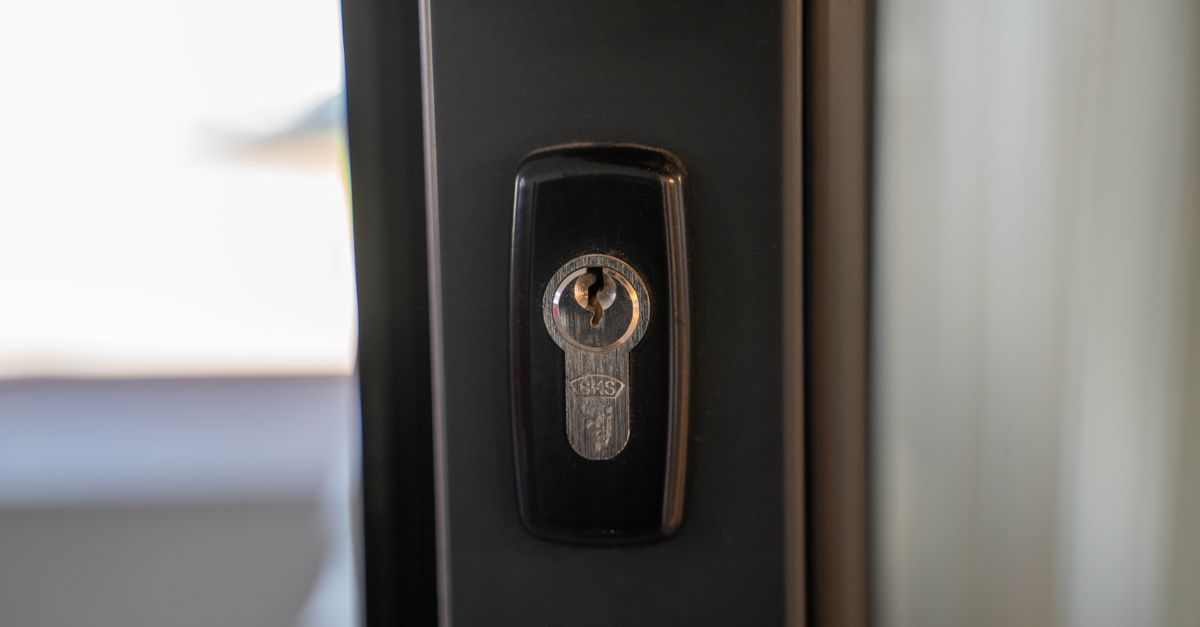
Before anyone recommends pulling the entire lock body out of the door, it's worth isolating the cylinder. The mortise lock cylinder is the removable plug — typically held by a single set screw on the faceplate — that contains the key pins and driver pins. It actuates a cam or tailpiece that actually moves the bolt. Cylinders wear out independently of the lock body, and replacing or rekeying just the cylinder is dramatically less invasive than a full mortise replacement. If your key goes in smoothly but turning it is stiff or intermittent, and if the bolt moves freely when you manually push it with a finger, the cylinder is almost certainly where to start.
This is also the relevant conversation when security is the driving concern rather than mechanical failure. If you've recently moved into a home on, say, Florella Street or anywhere in the older Castroville neighborhoods, you have no way of knowing how many copies of the existing key are out there. Rekeying or replacing the cylinder on your existing mortise lock set gives you a fresh key profile without touching the rest of the hardware. Upgrading to a higher-security cylinder — one with anti-pick, anti-drill, or anti-bump features — is another option that works within your existing lock body. Our team carries cylinder stock that fits the most common mortise body dimensions, and we can confirm compatibility on-site before committing to anything. If you're not sure where to start, call (830) 335-5188 — we answer around the clock and can usually give you a practical direction just from the description.
## Repair Steps a Locksmith Will Actually Perform (and What Each Addresses)
When a qualified locksmith evaluates a sticking mortise lock, the process is methodical rather than guesswork. Here's what a typical service call looks like and what each step is designed to rule out or resolve: Step 1 — Door and frame inspection. Before the lock body comes out, the locksmith checks whether the door is hanging true in the frame. A sagging door creates a bind that no amount of lock work will fix. Hinge adjustments or strike plate repositioning may resolve the whole issue without touching the mechanism. Step 2 — Cylinder removal and inspection. The set screw comes out, the cylinder slides free, and the locksmith can test it independently. If it turns smoothly out of the body but not in it, the problem is cam alignment or body binding, not the cylinder itself. Step 3 — Lock body removal and disassembly. The faceplate screws and spindle connections come off, and the body slides out of the mortise pocket. Inside, a trained eye can immediately spot broken springs, worn cam profiles, corroded case parts, or cracked latch components. Step 4 — Cleaning and lubrication. Even locks that need no parts often benefit enormously from a thorough cleaning — removing decades of grime, hardened grease, and debris — followed by fresh dry lubricant application on the appropriate surfaces. Step 5 — Parts replacement or body swap decision. If parts are available and the body is structurally sound, individual components get swapped. If the body is compromised or parts are unavailable, the locksmith will recommend the appropriate replacement mortise lock set and discuss compatibility with your existing door prep and trim.
One scenario worth calling out specifically: if you have a smart mortise lock — a mortise-format lock body with an electronic or Bluetooth-enabled cylinder or motorized bolt — the diagnostic process adds an electrical layer. Battery contacts corrode, wiring harnesses fatigue, and firmware can cause behavioral issues that mimic mechanical failure. An experienced locksmith who works with smart lock formats will test the electronic components before assuming the mechanical body is at fault. Don't let anyone replace a smart mortise lock body because of a dead battery or a corroded contact pad — always insist on a full diagnostic first.
## Making the Final Call: Factors That Determine Your Best Path Forward
The repair-versus-replace decision ultimately comes down to four factors: age and parts availability, extent of damage, your security goals, and what the rest of the door hardware is doing. A well-maintained older lock body with a worn cylinder is almost always a repair job. A lock body that's been forced, cracked, or corroded through is almost always a replacement. The tricky middle — a mechanically sound body with unavailable parts — lands on replacement by necessity, not preference.
On cost: there's no single number that fits every situation, and we won't pretend otherwise. The factors that shape what any mortise lock service will run include the specific lock make and body type, whether parts need to be sourced or are on the truck, the age and condition of the door prep, the time of the call (our emergency locksmith availability runs 24/7, including weekends and holidays), and travel distance within the Castroville area and surrounding communities. What we commit to is confirming an exact price with you before any work begins — no surprises when the job is done. Whether it's a cylinder swap on a Baldwin mortise lock, a full mortise lock set exterior door replacement, or a smart lock diagnostic, you'll know the number before we pick up a tool. Call (830) 335-5188 any time — day or night — and we'll give you a straight answer on what your lock needs and what it will cost to fix it right.
Frequently asked questions
How much does a locksmith cost in Texas for mortise lock work?+
There's no flat statewide rate, and any locksmith quoting you a firm number without seeing the lock should raise a flag. The final cost depends on the lock type and make, the specific repair or replacement needed, whether parts are stocked on the truck or need to be sourced, the time of day, and travel distance to your location. At John Locksmiths, we give you an exact confirmed price before any work starts — call (830) 335-5188 for a direct assessment.
What is a locksmith call-out fee, and do you charge one?+
A call-out fee (sometimes called a service call or dispatch fee) is a flat charge that covers a locksmith's time and travel to reach you, separate from the cost of the actual work performed. Whether and how it applies varies by provider and situation. When you call us, we'll be upfront about exactly what your total confirmed price includes before we arrive — so you know what you're agreeing to before anything happens.
Can a mortise lock cylinder be replaced without replacing the whole lock body?+
Yes, in most cases. The cylinder is a self-contained component held in place by a single set screw and can typically be removed in minutes. If the lock body itself is in good mechanical condition and the cylinder is the source of stiffness, wear, or a security concern (like an unknown key history), a cylinder replacement or rekey is a clean, cost-effective fix. Our team carries cylinder stock sized to fit common mortise body formats and will confirm compatibility on-site before recommending anything.
Do locksmiths need a license in Texas, and how do I know I'm hiring a qualified professional?+
Texas does require locksmiths to be licensed through the Texas Department of Public Safety — so working with a professional locksmith rather than an unlicensed handyman matters both for quality and for legal protection on your property. John Locksmiths operates as a trained, experienced, insured mobile locksmith serving Castroville and the surrounding area. When you call us, you're getting a skilled professional, not a general contractor making their first attempt at a mortise lock.